$120,000 - $360,000
CAR-T Therapy in China, A Living Drug to Fight Cancer
CAR-T, which stands for Chimeric Antigen Receptor T-cell therapy, is a groundbreaking form of immunotherapy that harnesses the power of a patient's own immune system to fight cancer.
Max 3 workdays reply
Trip window
Specifications
CAR-T Therapy in China, A Living Drug to Fight Cancer
CAR-T, which stands for Chimeric Antigen Receptor T-cell therapy, is a groundbreaking form of immunotherapy that harnesses the power of a patient's own immune system to fight cancer.
Reviews
Specifications
$120,000 - $360,000
Max 3 workdays reply
Trip window
What is CAR-T Cell Therapy? A Living Drug to Fight Cancer
CAR-T, which stands for Chimeric Antigen Receptor T-cell therapy, is a groundbreaking form of immunotherapy that harnesses the power of a patient's own immune system to fight cancer. Think of it as a "living drug" tailored to each individual.
Our bodies have T-cells, a type of white blood cell, that are the soldiers of our immune system, tasked with identifying and destroying invaders like viruses and bacteria. However, cancer cells can be cunning, often evading detection by these natural defenses. This is where CAR-T therapy steps in.
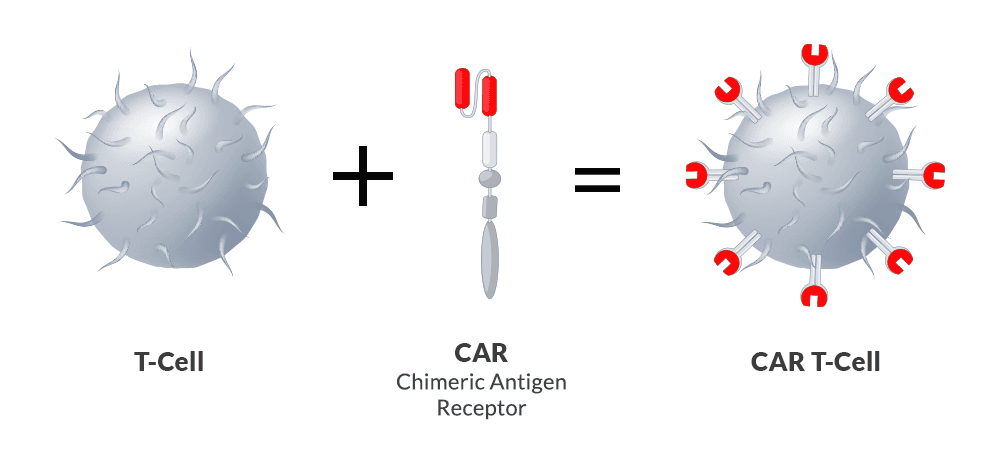
The CAR-T therapy takes cells from the body and genetically changes them so they can fight cancer. The process begins by collecting a patient's T-cells from their blood through a procedure called apheresis, which is similar to donating plasma. These T-cells are then sent to a specialized laboratory where they are genetically engineered to produce special structures on their surface called Chimeric Antigen Receptors (CARs). These receptors are designed to recognize and bind to specific proteins, or antigens, found on the surface of the patient's cancer cells.
Once equipped with these new cancer-targeting receptors, the modified T-cells, now known as CAR-T cells, are multiplied by the millions in the lab. Before these supercharged cells are infused back into the patient's bloodstream, a short course of chemotherapy is often administered to create a more favorable environment for the CAR-T cells to thrive and multiply. Upon re-entering the body, these CAR-T cells act as a highly targeted army, seeking out and destroying cancer cells.
Applications and Potential Side Effects
CAR-T cell therapy has shown remarkable success in treating certain types of blood cancers. CAR-T cell therapy is approved to treat recurrences of the following cancers:
B-cell acute lymphoblastic leukemia (ALL). This type of blood cancer is the most common cancer found in children.
Chronic lymphocytic leukemia. This leukemia progresses more slowly than other leukemias. It occurs most often in older adults.
Certain types of non-Hodgkin lymphoma. Lymphomas are cancers that affect white blood cells in the lymphatic system — a network of organs, glands, vessels and clusters of cells called lymph nodes. B-cell lymphomas for which CAR-T cell therapy may be an option include diffuse large B-cell lymphoma and primary mediastinal large B-cell lymphoma. They also include high-grade B-cell lymphoma, aggressive B-cell lymphoma not otherwise specified, follicular lymphoma and mantle cell lymphoma.
Multiple myeloma. This uncommon form of blood cancer affects bone marrow. The cancer forms in a type of white blood cell called a plasma cell.
Research is ongoing to expand its use to solid tumors as well.
CAR-T cell therapy may be recommended when:
Patients who have not responded to other treatments (also called refractory cancer.).
Cancer comes back within 12 months after the first treatment, or after several prior treatments, also called recurrent or relapsing cancer.
While CAR-T therapy can be incredibly effective, it is also a powerful treatment that can cause significant side effects. The most common is Cytokine Release Syndrome (CRS), which can cause flu-like symptoms such as fever, chills, and fatigue, and in severe cases, a dangerous drop in blood pressure and difficulty breathing. Another potential side effect is Immune Effector Cell-Associated Neurotoxicity Syndrome (ICANS), which can lead to neurological symptoms like confusion, difficulty speaking, and seizures. Due to these potential risks, patients undergoing CAR-T therapy require close monitoring in a specialized medical center.
China's Emergence as a Leader in CAR-T Cell Therapy
China has rapidly positioned itself at the forefront of CAR-T cell therapy, emerging as a global hub for this cutting-edge treatment. Several factors contribute to this rise, making it an attractive destination for international patients.
1. A Hub of Clinical Innovation and Research:
China is a powerhouse in CAR-T clinical trials, with the number of registered trials surpassing that of the United States. This vibrant research landscape means patients in China may have access to a wider range of innovative therapies, including those targeting novel cancer antigens. The Chinese government has also implemented policies to streamline the approval process for new therapies, allowing for faster access to the latest treatments.
2. Significant Cost Advantages:
One of the most compelling reasons patients are turning to China for CAR-T therapy is the significant cost difference. In the United States, CAR-T therapy can cost upwards of $373,000 to $475,000. In China, the same treatment can be 50-70% less, with costs ranging from approximately $120,000 to $360,000. This makes a potentially life-saving treatment accessible to a much broader range of patients.
3. World-Class Medical Institutions and Expertise:
China is home to a growing number of hospitals with state-of-the-art facilities and highly skilled medical teams specializing in CAR-T cell therapy. These institutions are not only experienced in administering the treatment but are also increasingly catering to the needs of international patients.
Spotlight on Medical Institutions in China
Several hospitals across China have gained recognition for their expertise in CAR-T cell therapy and their commitment to serving international patients.
Shanghai Jiahui International Hospital: This institution has successfully treated numerous foreign patients with CAR-T therapy. One notable case is a patient from Singapore with a rare type of lymphoma who, after other treatments failed, underwent successful CAR-T therapy at Jiahui. Another success story involves a patient from New Zealand with multiple myeloma who was also successfully treated. The hospital emphasizes its international-standard care and multidisciplinary team approach.
Lu Daopei Hospital: A renowned hematology hospital in Beijing, Lu Daopei Hospital has been a pioneer in CAR-T clinical trials in China and has treated a large number of patients with this therapy. The hospital has an established international center to assist foreign patients with everything from medical consultations to travel arrangements.
Fuda Cancer Hospital: Located in Guangzhou, Fuda Cancer Hospital has a long history of treating international patients and offers a dedicated patient services department to assist with language translation, visa issues, and travel logistics.
Shanghai SinoUnited Hospital: This hospital recently launched an international CAR-T cell therapy center and has already treated patients from countries such as New Zealand, the United Kingdom, and Germany. They offer a "23-day treatment package" to streamline the process for international patients and provide comprehensive support services.
Other notable institutions with strong CAR-T programs include Peking University Cancer Hospital, Yanda International Hospital, and Beijing GoBroad Hospital.